
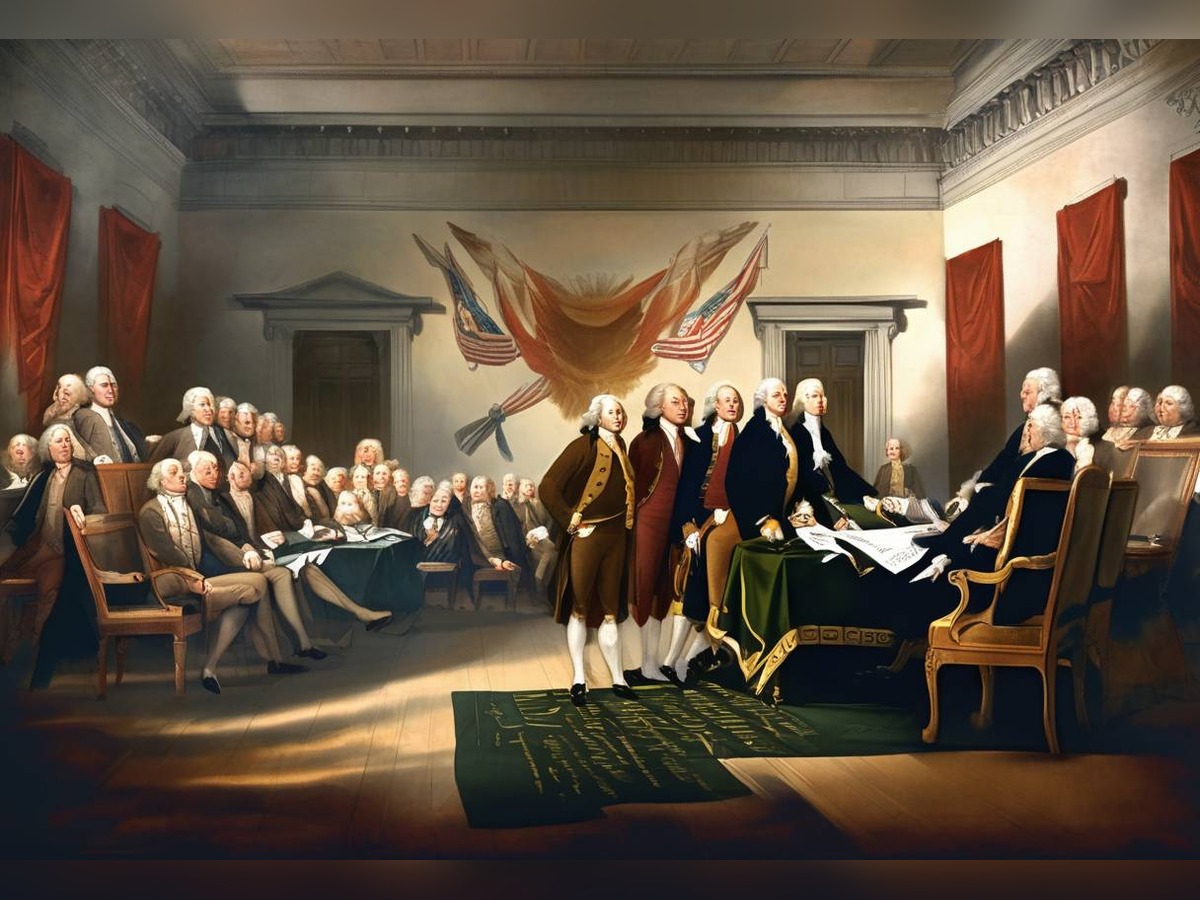
The United States did not begin its break with Britain with a settled national name. As Smithsonian Magazine recounts, the shift from “United Colonies” to “United States” reflected a central question of independence: what kind of political union were the former colonies creating? September 9, 1776, is generally recognized as the date Congress formally adopted “United States” in place of “United Colonies.” During a session otherwise concerned largely with paying George Washington’s troops and routine business, the Second Continental Congress directed that official documents use the new wording. The decision followed language already appearing in the independence movement. Smithsonian describes proposals for “United Colonies,” “United Colonies of America” and “United Colonies of North America.” For supporters of separation from Britain, such names were generally understood as temporary descriptions rather than a final identity. The language of states signaled a different political status. The Declaration of Independence, dated July 4, carried a heading describing the thirteen united States of America. Its lowercase “u” is a revealing detail: the states themselves received greater emphasis than their union. In Smithsonian’s account, historian Larson explains that the founders understood the arrangement as a confederation of independent states transferring certain powers to a central government. Those powers included coordinating the war against Britain and dealing collectively with foreign nations. The central government lacked the power to tax and depended on the states for funding. That interpretation helps explain why the wording mattered. “United” expressed the need to act together, while “States” preserved the political identities of the participants. The name held both ideas at once, without making them identical. The September decision should therefore be understood as an official change in usage, rather than the moment every element of the country’s name was invented. The Declaration had already used the language of united states, and the movement toward independence had already generated competing formulations. What now sounds like an ordinary geographical name also records an argument about authority. The change from colonies to states announced separation from Britain; the emphasis on states reflected how the participants understood their relationship with one another.