

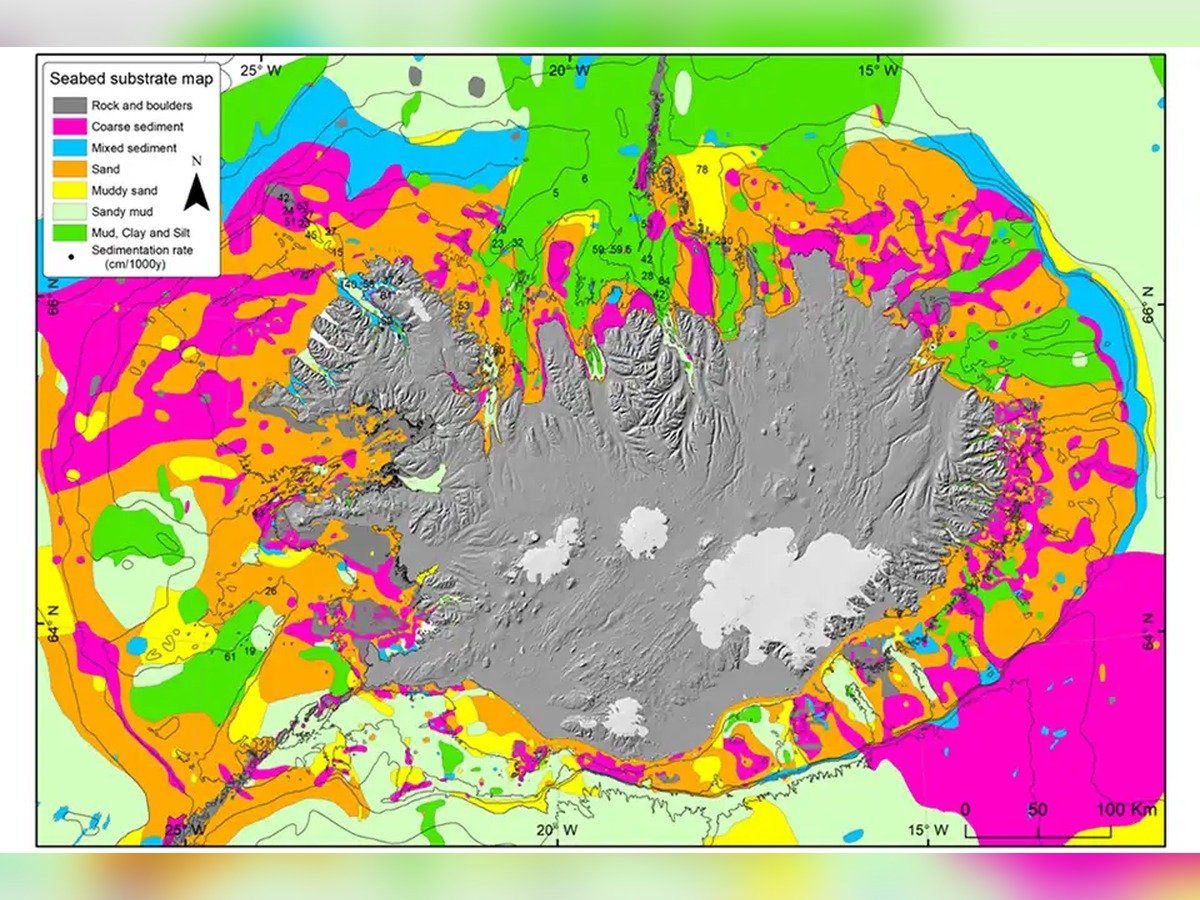
Scientific specimens, nature databases and seafloor maps all feature in Iceland’s system for studying and monitoring its living environment. A government overview describes several institutions with distinct responsibilities, linking research on species and habitats to conservation advice.
The Icelandic Institute of Natural History conducts basic zoological and botanical research and systematically documents the country’s nature. It also manages research findings and specimens in scientific collections.
Those holdings form part of a broader information role. According to the overview, the institute maintains nature databases, provides advice and education, and keeps a broad perspective on conservation and natural resource allocation.
The government also explains the purpose of Red Lists: inventories identifying species threatened or at risk of extinction. These provide an important reference for nature conservation, distinguishing concern about a species’ survival from a general account of its presence.
In marine and freshwater environments, the Marine and Freshwater Research Institute studies and monitors ecosystems. Its stated priorities include sustainable use of major stocks, an ecosystem approach to fisheries management, fishing technology, and mapping the seafloor and habitats.
The institute uses that research and monitoring to provide the government with scientific advice on sustainable use and protection of marine and freshwater habitats. Its remit therefore connects biological research with questions about how aquatic environments are managed.
The overview assigns another role to the Nature Conservation Agency of Iceland: conservation work concerning sensitive natural areas and habitats, together with monitoring protected areas other than Thingvellir National Park.
Taken together, these responsibilities show the range of evidence involved in documenting Icelandic nature. Preserved specimens, systematic records and habitat research each contribute to the information available for conservation and resource decisions.