
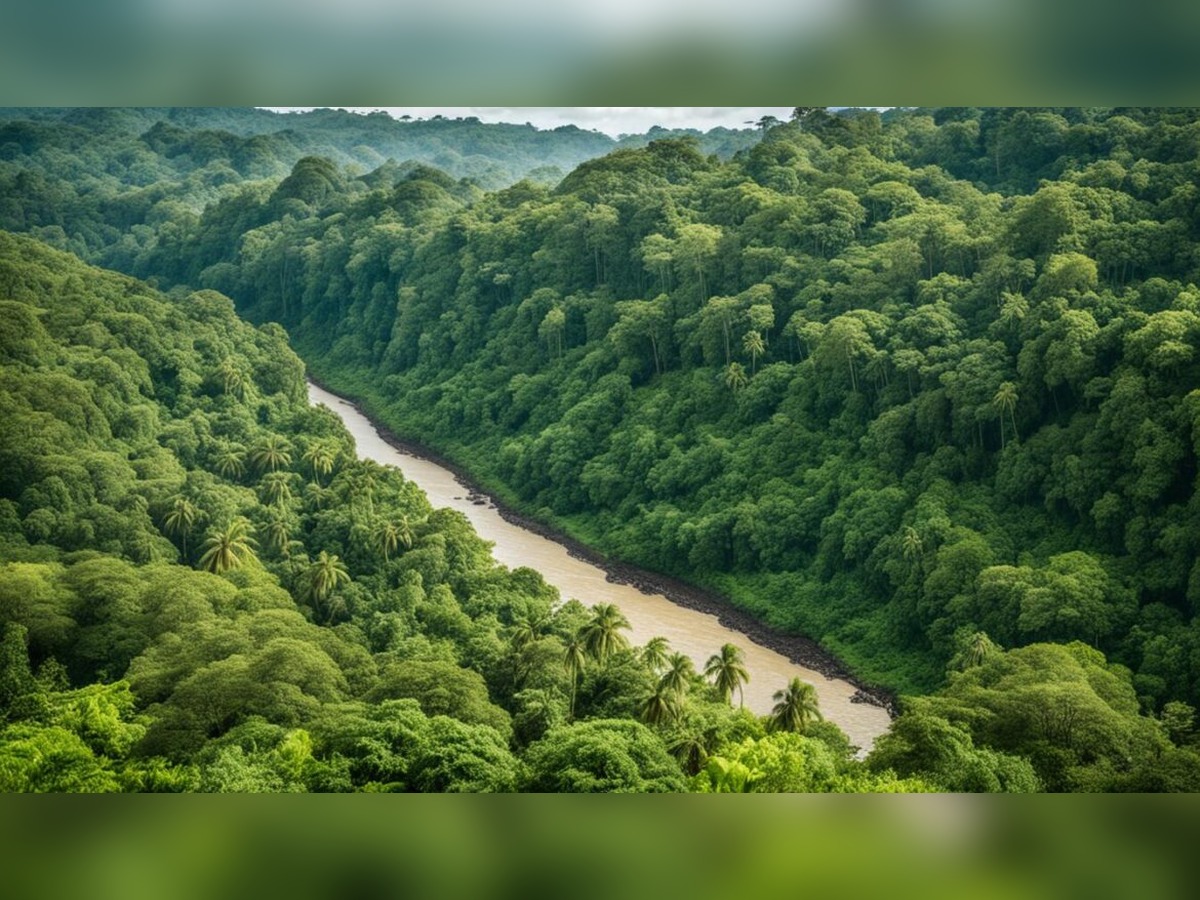
Protected areas help safeguard more than rare plants and animals. Trinidad and Tobago’s official biodiversity portal describes their wider role in protecting water resources, stabilising soil, supporting pollination and buffering coastlines—services that connect conservation with everyday life.
The portal’s explanation accompanies its Action Plan for implementing the Convention on Biological Diversity’s Programme of Work on Protected Areas, dated 2012. The plan was formulated to support the conservation of genetic diversity, species, ecosystems and natural habitats, as well as the maintenance and recovery of viable populations of rare or threatened species.
Its stated ambition is an integrated protected-area system representing the full diversity of the country’s natural ecosystems. The framework also recognises sustainable resource use and equitable access to recreational, educational, research, cultural, spiritual and livelihood opportunities. These are the plan’s objectives; the page does not establish how fully they have been achieved.
The portal distinguishes between ecosystem goods and ecosystem services. Goods include fish, plant products, timber, craft materials and medicinal plants. Services include watershed protection, soil formation and conservation, climate regulation, wildlife habitat and natural processes important to agriculture.
For small island developing states such as Trinidad and Tobago, the page also identifies a climate role. Protected ecosystems can help buffer severe weather impacts and protect water resources as rainfall patterns change. Forests and wetlands can contribute to mitigation by acting as greenhouse gas sinks.
The framework presents conservation as a relationship between ecological protection and human needs. Recreation, research and spiritual activities sit alongside habitat protection, while biodiversity is also recognised as having value in its own right.