
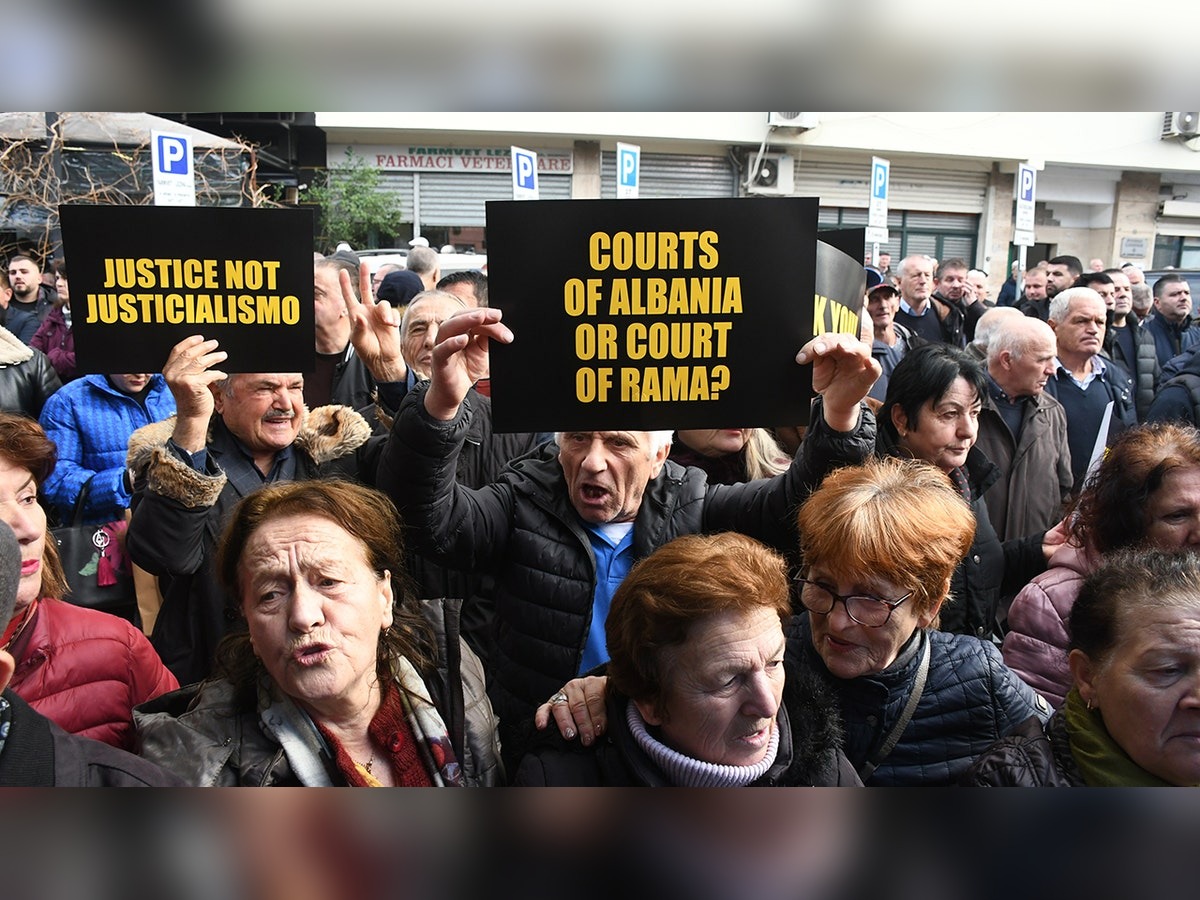
Albania’s student protests have taken a dramatic turn as university lecturers, writers, artists, and parents have joined the demonstrations, broadening the political challenge to Prime Minister Edi Rama’s government. The participation of these groups—who bring professional credibility and direct ties to the young protesters—has deepened public support for the movement while exposing a critical breakdown in trust in government dialogue.
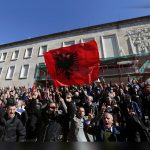
Hundreds of lecturers from universities across the country marched in solidarity on Tuesday, according to Reporter.al, demanding an end to what they described as disproportionate police violence against student demonstrators. The march began at the Polytechnic University and proceeded toward Rama’s office, where participants also called for the prime minister’s resignation. An accompanying petition, initially supported by 963 academics and public figures and later by 1,350 signatories, sought Rama’s departure and the formation of a caretaker government to restore institutional stability.
The involvement of lecturers, parents, and cultural figures complicates the government’s efforts to frame the protests as isolated incidents of youth unrest. Their participation introduces broader societal concerns—particularly over police conduct and the treatment of students—into the public discourse. While it does not indicate institutional endorsement of the resignation demand, it signals that the government’s response has become a catalyst for further mobilisation.
Outside Rama’s office, chairs labelled ‘dialogue’ had been arranged for potential talks, but the invitation was rejected by union leader Aleksandër Kovaçi. He argued that police violence had destroyed any conditions for meaningful negotiation, highlighting the growing scepticism about the government’s willingness to address grievances. Writer and publisher Rita Petro and artist Ardian Isufi, among others, explicitly condemned violence by protesters while urging restraint in the state’s response, reflecting a broader demand for accountability without endorsing attacks on authorities.
Allegations of police brutality have intensified the crisis. Lapsi.al reported footage allegedly showing officers striking young demonstrators, including minors, in areas away from the main protest zones. While the circumstances of every incident remain unverified, these claims raise serious questions about police conduct and supervision. The government’s announcement of a €2,500 bonus for officers deployed during the protests adds further political sensitivity, as it risks being perceived as an unconditional endorsement of police actions amid ongoing allegations of excessive force.
The government’s references to foreign influences—such as ANTIFA, Russia, and Iran—have also drawn criticism. Without independently verifiable evidence, these claims risk alienating citizens whose primary concerns centre on education, accountability, and the protection of students. The widening protest movement now encompasses demands for political authority, moving beyond education policy into a broader dispute over governance.
The lecturers’ intervention presents a potential opportunity for de-escalation by amplifying voices that reject violence while defending the right to protest. However, whether this shift leads to meaningful dialogue depends on credible restraint, accountability for alleged abuses, and a government commitment to addressing substantive grievances. Without these conditions, invitations to negotiate may continue to be met with scepticism, and the protests could further escalate.