The United Kingdom’s Judicial Committee of the Privy Council has restored a High Court declaration that Trinidad and Tobago’s State breached prison officer Favianna Gajadhar’s constitutional right to the enjoyment of property by withholding her salary and benefits over a 15-year period. The ruling overturns part of a Court of Appeal decision that had removed the declaration concerning her rights.
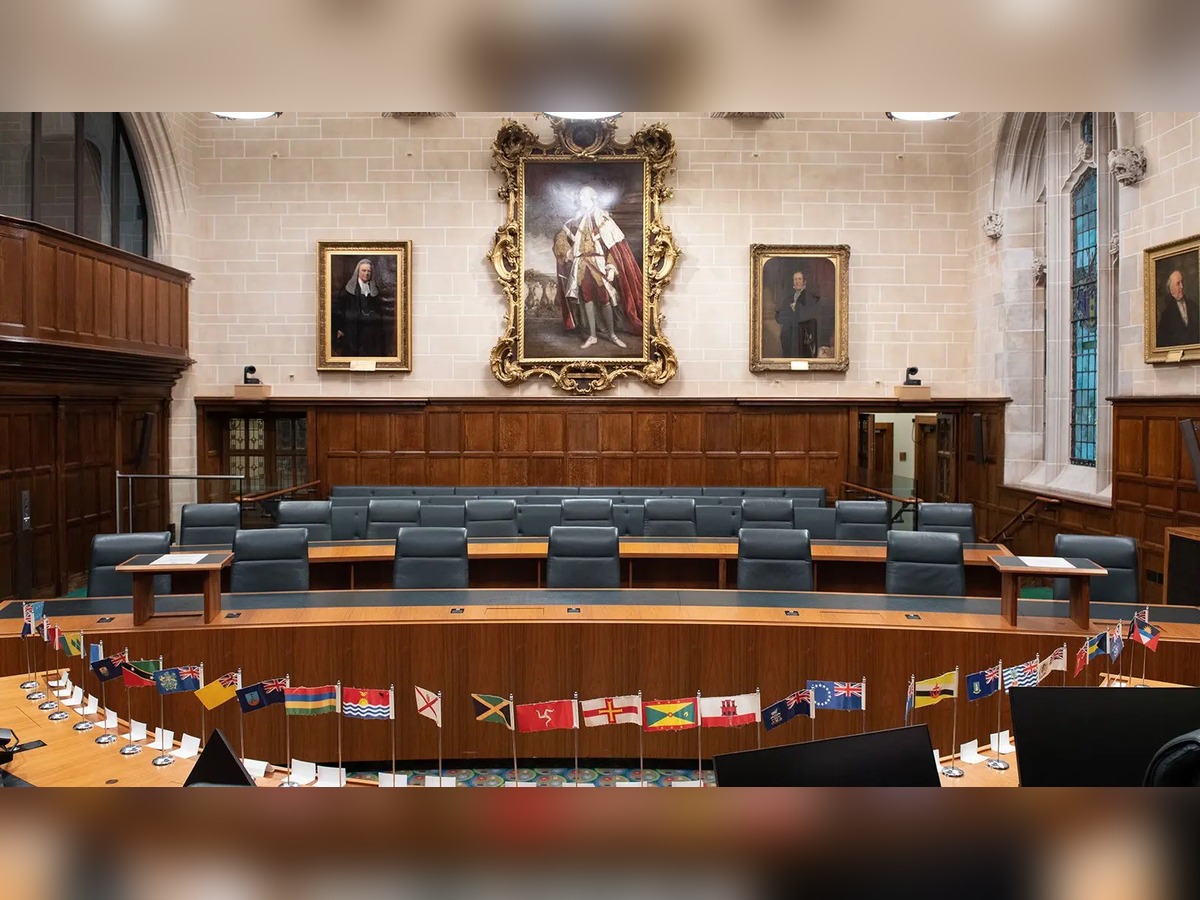
In its oral judgment, delivered on Monday after submissions concluded, the Board allowed Gajadhar’s appeal against the November 2024 Court of Appeal decision. Lord Leggatt said the handling of the case was “a sorry history which regrettably does no credit to the Public Service Commission (PSC) of Trinidad and Tobago”. Lords Sales, Lloyd-Jones, Snowden and Lady Simler also sat on the panel.
The dispute began after Gajadhar, who joined the Trinidad and Tobago Prison Service in 2000, took sick leave following a fall at the Women’s Prison at Golden Grove in October 2004. She later went on maternity leave after giving birth in June 2006. Although she sought to return to work and supplied certification relating to her absences, she was declared to have resigned with effect from June 21, 2007.
Gajadhar was not permitted to resume duties until April 4, 2022. She first successfully challenged the commission’s decision in court in 2012, beginning years of further litigation.
In October 2023, High Court Justice Frank Seepersad found that the commission’s treatment of Gajadhar breached her constitutional rights under Sections 4(a) and 4(b), as well as Section 129(4), which prohibits imposing a penalty on a public officer except through disciplinary proceedings. He ordered the State to pay $2,821,744.54 in salary arrears and allowances, $275,000 in compensatory damages and $350,000 in vindicatory damages, together with interest and costs.
The State appealed against the finding concerning Section 4(a) and the damages awards. In November 2024, the Court of Appeal upheld the damages awards but set aside the declaration concerning the right to enjoyment of property. It reasoned that the relevant delay should be calculated only from 2021.
The Privy Council rejected that approach, finding that the Court of Appeal had proceeded on an erroneous premise. The Board held that the withholding of Gajadhar’s salary from 2007 until the High Court’s decision was unlawful and amounted to an arbitrary exercise of State power. The declaration was therefore reinstated. The report states that Gajadhar received backdated salary in May 2024 following the High Court judgment.
The decision has also renewed debate over the PSC’s role. Anand Ramlogan, the former attorney general who represented Gajadhar, called for the commission’s members to resign and advocated its abolition as part of wider constitutional reform. He accused the body of failing to protect public officers from unfair treatment. Those are Ramlogan’s criticisms, rather than findings established by the judgment itself.
The ruling restores the specific constitutional declaration in Gajadhar’s case and places renewed scrutiny on the commission’s handling of public officers’ employment disputes. Ramlogan’s call for institutional change now forms part of the wider discussion prompted by the case.