
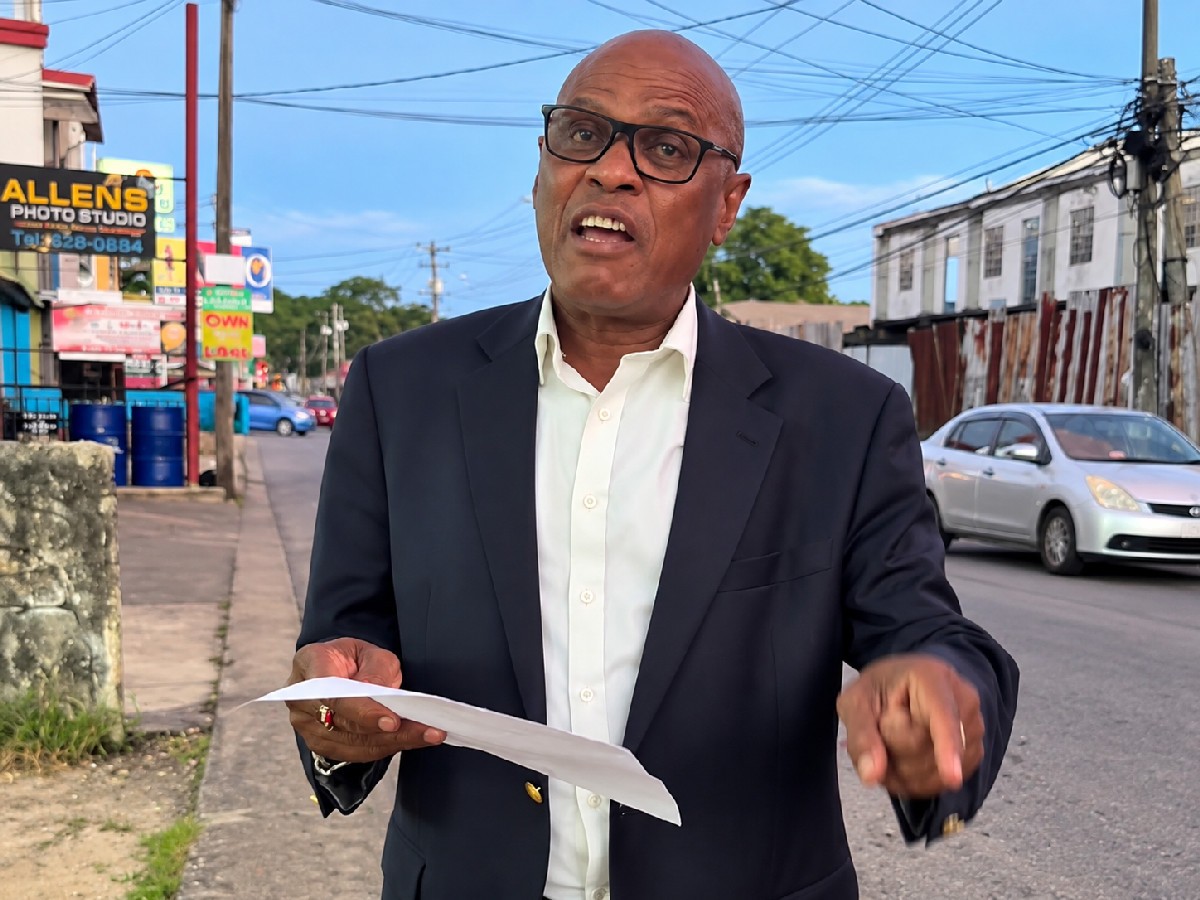
Activist Wendell Eversley is questioning the Government’s approach to freedom of information, claiming proposed legislative changes could make it more difficult for citizens to scrutinise major areas of public spending and State activity. In a video statement, Eversley said he has filed several requests under the Freedom of Information Act seeking information concerning Government expenditure and projects, including matters related to housing, energy, public utilities and police infrastructure. He repeatedly asked, “What does the Government have to hide?” and called on the Opposition to pay closer attention to legislation affecting access to public information. Eversley also questioned whether changes could affect the public’s ability to obtain information concerning the energy sector, including natural gas and oil, national security matters, public-private partnerships involving housing, and utilities such as water, electricity and power generation. He suggested that his previous Freedom of Information applications involving some of these areas gave him particular cause for concern. However, Eversley’s allegations of possible corruption were presented as questions and were not accompanied by evidence establishing corruption. The Freedom of Information (Amendment) Bill, 2026 was introduced in the Senate on September 11 and passed the Senate before subsequently passing the House of Representatives on September 16. According to Parliament’s published description, the Bill amends sections 7, 8 and 9 of the Freedom of Information Act, along with regulation 3(1)(b) of the Freedom of Information (Publication of Arrangements) Regulations. Government representatives have said the amendments are intended to modernise the publication of information by public authorities, including allowing certain required information to be published on publicly accessible websites as an alternative to publication in a daily newspaper. Eversley, however, is calling for greater scrutiny of any changes affecting transparency and access to information, arguing that citizens should remain vigilant about their ability to question the use of public resources.