
Alexander Fires Back Over Savannah Aquifer Controversy
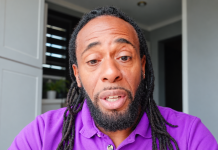
Government Minister Phillip Edward Alexander has pushed back strongly against concerns that temporary works at the Queen’s Park Savannah could threaten the aquifer beneath the popular Port of Spain landmark.
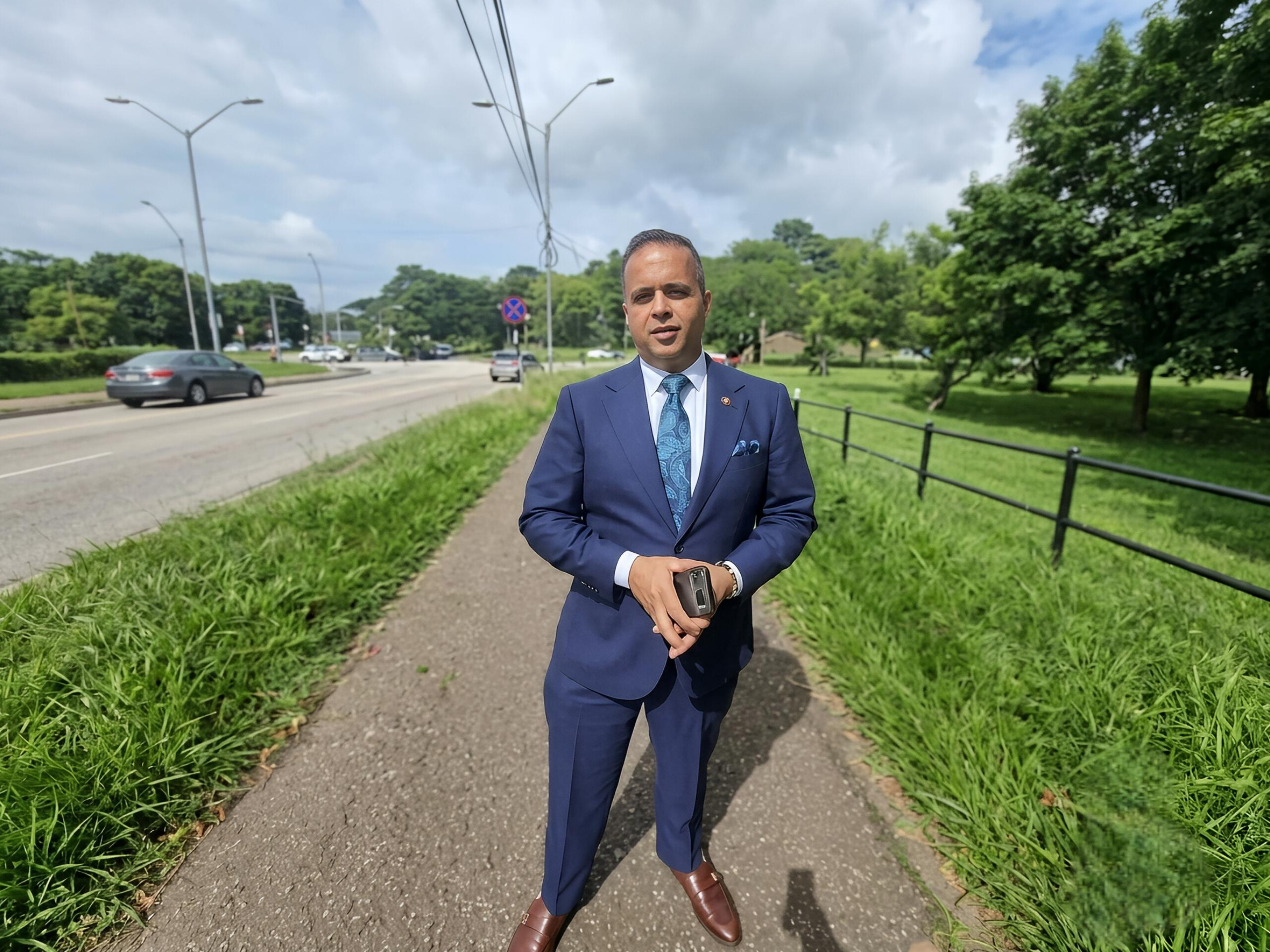
In a video attracting tens of thousands of views and hundreds of reactions, Alexander visited the site and directly challenged concerns raised by environmental activist Gary Aboud and others about construction activity within the Savannah.
At the centre of the dispute is what Alexander described as a temporary Bailey Bridge crossing and aggregate ramp, installed to allow a parade route to cross one of the drains running through the Savannah.
Alexander argued that descriptions of the work as major construction were misleading.
According to his account, only a relatively small quantity of aggregate was placed to create a ramp leading to the temporary bridge. He said the material could later be removed by truck, leaving limited impact on the surrounding area.
“This Is Temporary”
During the video, Alexander repeatedly attempted to demonstrate just how temporary the installation was.
He pointed to loose aggregate, New Jersey barriers, timber and the absence of what he described as permanent retaining structures.
Alexander showed viewers the aggregate and argued that its loose nature demonstrated that it was never intended to become a permanent structure.
Later, he showed what he described as New Jersey barriers resting on the grass and timber supporting parts of the installation, again presenting these features as evidence of its temporary nature.
Aquifer Becomes Bigger Issue
The controversy, however, goes beyond a bridge.
Alexander addressed concerns about how development and activity within the Savannah could affect the underground aquifer, particularly the ability of rainfall to soak, or percolate, through the ground.
He acknowledged that compaction of the soil from vehicles could affect that process, but rejected the suggestion that the temporary crossing represented the type of threat being alleged.
He argued that large areas of the Savannah remain unpaved and questioned why the relatively small bridge installation had become the focus of such intense criticism.
However, Alexander’s video represents his assessment of the situation. The supplied material does not include an independent hydrological or engineering assessment establishing whether the temporary works pose a risk to the aquifer.
Savannah’s History Enters Debate
Alexander also used the controversy to highlight the Savannah’s history.
He described the landmark as having once functioned as a horse-racing venue, pointing to the large circular drain and the location of the grandstand as features connected to that history.
He also claimed that leaving some existing structures in place rather than repeatedly erecting and dismantling temporary facilities could save taxpayers millions of dollars, although no supporting financial figures were provided in the video.
Alexander Takes Direct Aim at Aboud
The video quickly moved beyond an environmental disagreement and became intensely political.
Alexander repeatedly criticised Aboud and accused him of using the Savannah controversy to undermine the Government.
He also raised previous disputes involving land use and development, arguing that critics were applying different standards depending on who was involved.
Those broader accusations remain Alexander’s claims and opinions, and the supplied material does not contain a response from Aboud or independent evidence establishing several of the allegations.
Still, Alexander’s central challenge was unmistakable: he wants the public to look at the actual scale and construction of the temporary crossing before deciding whether claims of serious environmental danger are justified.
Toward the end of the video, the Government Minister again pointed to the bridge supports, aggregate and barriers and urged viewers to circulate the footage widely.
The growing controversy now leaves a question likely to fuel further public debate:
Is the temporary Savannah crossing really an environmental threat, or has a small structure become the centre of a much bigger political fight?