

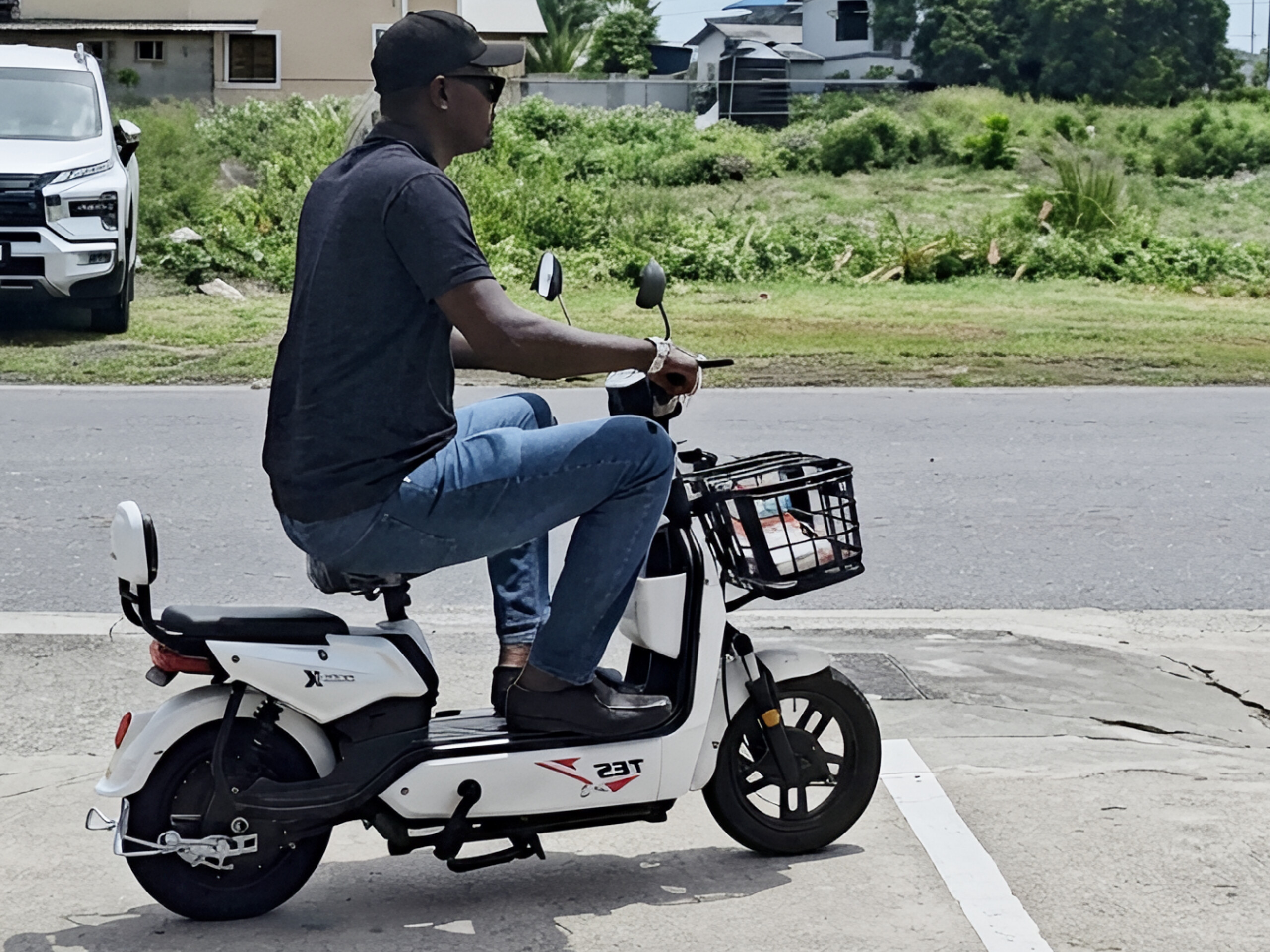
Electric bikes are rapidly changing the way many people move around Trinidad and Tobago. Once considered a niche mode of transport, they have become an increasingly popular choice for commuters, delivery riders and everyday citizens looking for a cheaper, more efficient alternative to owning a car.
With fuel prices, insurance costs and vehicle maintenance continuing to strain household budgets, many have turned to e-bikes as an affordable solution. Their ability to navigate traffic, lower running costs and minimal maintenance requirements have made them especially attractive for short daily commutes.
But as their popularity has surged, the country’s regulatory framework has struggled to keep pace.
The Government recently introduced new rules requiring many electric bikes to be treated as motor vehicles, meaning they must be registered, insured and operated by licensed riders before they can legally use public roads.
The rollout, however, has raised questions. Some riders say they attempted to comply with the new regulations but were told registration systems were not yet in place. Others reported receiving conflicting information from Licensing Offices and law enforcement officers, leaving many uncertain about what is actually required.
The situation has sparked debate across the country. Supporters of the regulations argue that e-bikes share the road with cars and pedestrians and should meet safety standards to protect everyone. Riders, meanwhile, say they support sensible regulation but want a registration process that is clear, accessible and fully operational before enforcement begins.
Despite the uncertainty, the popularity of e-bikes shows no signs of slowing. They are becoming an increasingly common sight on Trinidad and Tobago’s roads and are reshaping how many people think about everyday transportation.
As the country embraces this new form of mobility, the challenge for policymakers will be balancing innovation with safety—creating regulations that protect road users without slowing the growth of a transport option that many believe is here to stay.