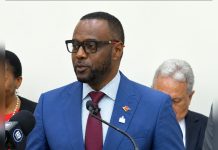

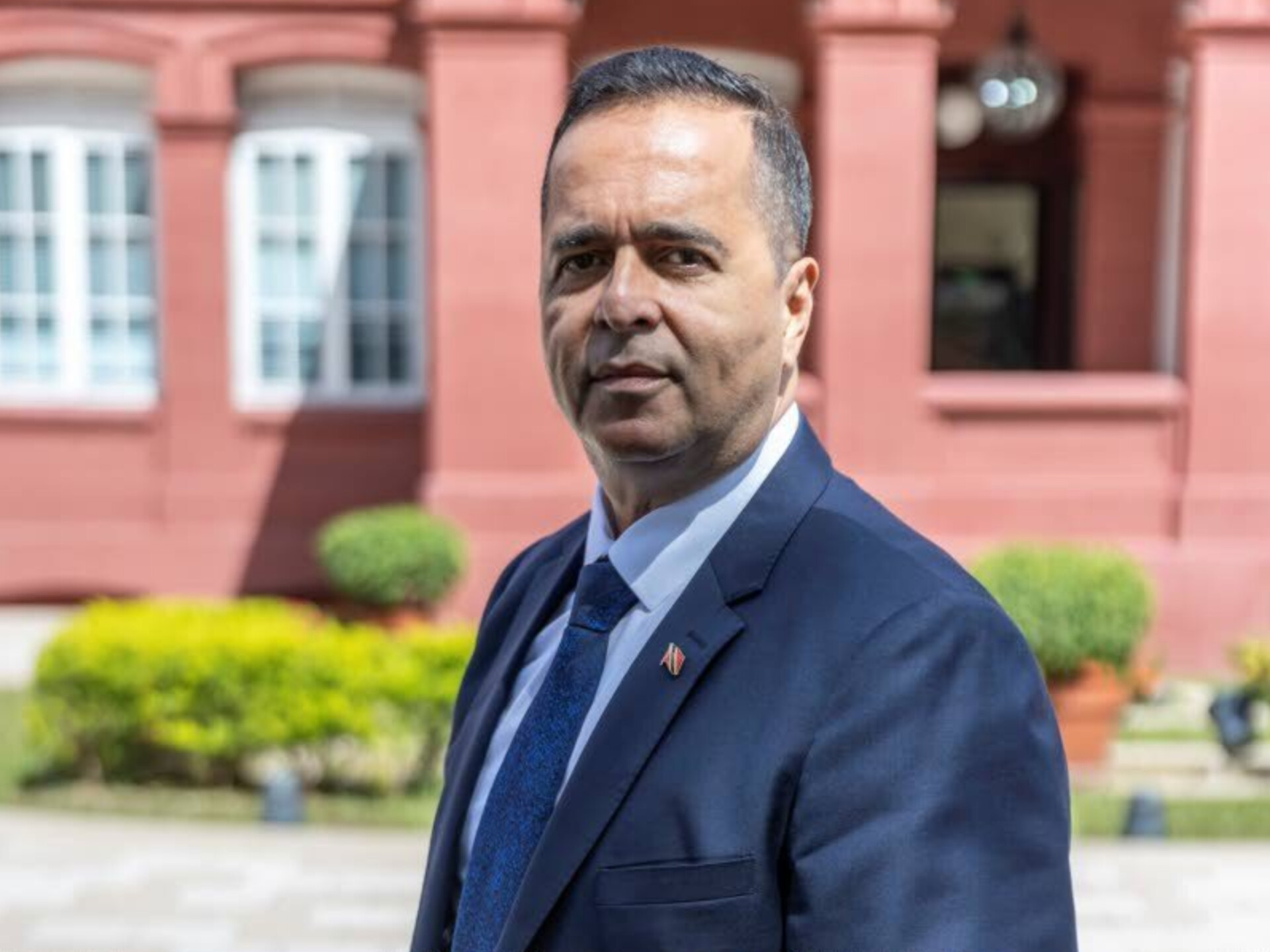
For years, Phillip Edward Alexander built his public profile through outspoken political commentary, activism and criticism of those in power. Today, he finds himself on the other side of the table, with the opportunity to turn his words into action and help shape the future of Trinidad and Tobago.
Few political figures in recent years have divided public opinion as much as Phillip Edward Alexander. Throughout his career, he has been praised by supporters for speaking his mind and criticized by others for his confrontational style and a number of remarks that have sparked public controversy.
Long before entering government, Alexander made a name for himself as a communications specialist, political commentator and leader of the Progressive Empowerment Party (PEP). For years, he challenged government decisions, questioned national leadership and called for greater accountability from those in office.
Following the 2025 General Election, Alexander joined the Government as a Senator and Minister in the Ministry of Housing, marking a significant shift from political commentator to policymaker.
The transition has not been without its challenges.
In recent weeks, Alexander’s name has featured prominently in national discussions, including the Opposition’s criticism surrounding the Government’s multi-billion-dollar financial decisions. He also came under public scrutiny after comments that prompted Prime Minister Kamla Persad-Bissessar to publicly remind him to remain focused on his ministerial responsibilities. Alexander subsequently acknowledged the criticism, describing it as a learning experience and reaffirming his support for the Prime Minister.
Those moments serve as a reminder that governing is different from campaigning. Public office brings greater responsibility, and ministers are judged not only by what they say but by the decisions they make and the results they deliver.
Despite the criticism that has followed him throughout much of his public life, Alexander still has more than three years remaining in the Government’s term. In politics, that is enough time to establish a meaningful record in office.
Whether one agrees with Phillip Edward Alexander or not, the conversation is gradually shifting from his words to his work. The expectations placed upon him today are the very expectations he once placed upon others.
His legacy will ultimately not be determined by the speeches that made headlines or the debates that dominated social media. It will be measured by whether he can improve the lives of citizens, contribute to meaningful housing and community development, and demonstrate that his years of advocacy can translate into effective public service.
For one of Trinidad and Tobago’s most polarizing political figures, the greatest test is no longer criticizing those in power. It is proving what he can accomplish as one of them.