

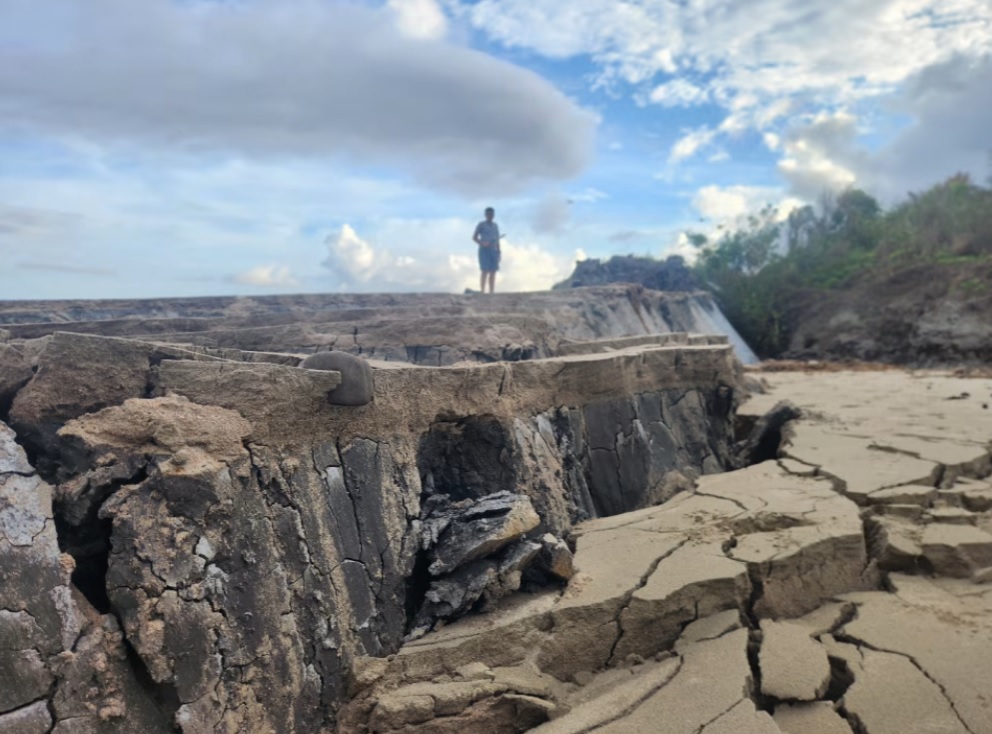
A recent surge in global seismic activity has caught the attention of the scientific community. Powerful earthquakes have struck different parts of the world, notably California, Japan, and Venezuela, within a short time frame. These events, while not part of a single global event, have occurred along different fault systems, sparking discussions about the factors influencing their clustering.
One of the most significant incidents discussed was a pair of earthquakes that hit Venezuela approximately 40 seconds apart, an unusual phenomenon known as a ‘doublet’ earthquake. The conversation also veered towards the possible contribution of human activities, such as oil extraction or fracking, to the Venezuelan quakes. Although fracking has been linked to an increase in small and moderate earthquakes, geophysicist Stefan Burns pointed out that these quakes exhibited characteristics consistent with natural tectonic plate movement.
Debunking popular online theories, Burns dismissed claims about the High-frequency Active Auroral Research Program’s (HAARP) role in generating earthquakes. He acknowledged the facility’s influence on the Earth’s ionosphere but clarified that there’s no substantial evidence of its ability to cause major seismic events.
The discussion also explored the potential relationship between solar activity and seismic events, a topic currently under investigation. Changes in Earth’s magnetic field, including the weakening of the South Atlantic Anomaly and the gradual movement of the magnetic north pole, were also addressed. However, Burns stressed that the current evidence does not support an impending magnetic pole reversal.
Burns also underscored the importance of preparedness for earthquakes, which often depends on specific circumstances, including the construction of buildings, proximity to the epicentre, and the amount of warning available. He urged those living in earthquake-prone areas to familiarize themselves with local emergency guidelines and to have preparedness plans in place.
The majority of earthquakes are driven by the natural movement of tectonic plates. While many aspects of earthquake science are still under examination, experts continue to study various geological and environmental factors that may influence when and where stress is released.