

Why Do Some People Stay in Toxic Situations? Understanding the ‘Trauma Comfort Zone’
Have you ever wondered why someone remains in a relationship, friendship, or environment that continually causes them pain, even when they have the opportunity to leave?
A recent TikTok video has sparked widespread discussion by exploring a psychological concept often referred to as the “trauma comfort zone.” While the name may be unfamiliar to many, the idea behind it resonates with countless people who have struggled to understand their own experiences or those of someone they love.
The concept suggests that people who have lived through prolonged emotional pain or trauma can become so accustomed to it that it begins to feel normal. As strange as it may sound, familiar pain can sometimes feel safer than the uncertainty that comes with change.
This doesn’t mean people enjoy suffering. Rather, the human brain often prefers what it knows, even when those patterns are unhealthy. Stepping into healing, setting boundaries, or leaving a toxic situation can feel frightening because it requires entering unfamiliar territory.
The video also highlights an important lesson for those trying to help others. It’s natural to want the best for friends and family, but there comes a point where we must recognize that we cannot force someone to change. You cannot want another person’s healing more than they want it for themselves.
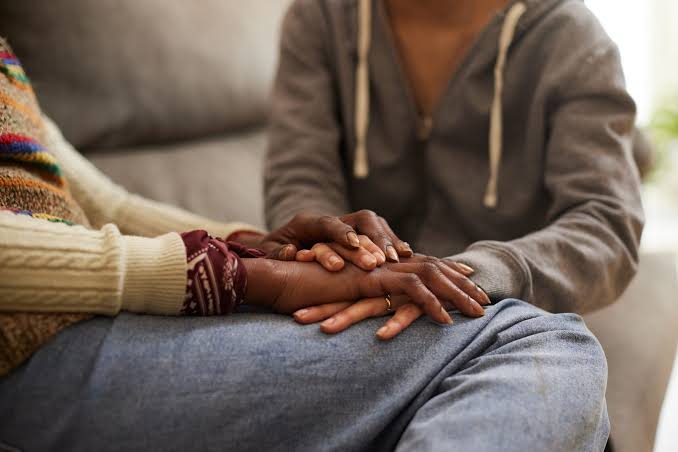
Instead of constantly trying to rescue someone, the video encourages people to offer compassion without carrying the weight of another person’s decisions. Sometimes the greatest support is simply listening without judgment, validating their feelings, and allowing them the space to make choices in their own time.
Equally important is protecting your own well-being. Setting healthy boundaries doesn’t mean you care less—it means recognizing that your own mental and emotional health matters too.
The discussion serves as a reminder that healing is rarely a straight path. It often begins with self-awareness, followed by the difficult decision to break cycles that may have existed for years.
For many viewers, the message has been both eye-opening and reassuring. It reminds us that growth can be uncomfortable, but remaining trapped in familiar pain doesn’t have to define the rest of our lives.
Whether you’ve experienced this yourself or know someone who has, the conversation encourages empathy over judgment and hope over hopelessness. While no one can heal another person, offering understanding, patience, and support can make all the difference when someone is finally ready to take that first step toward a healthier future.