

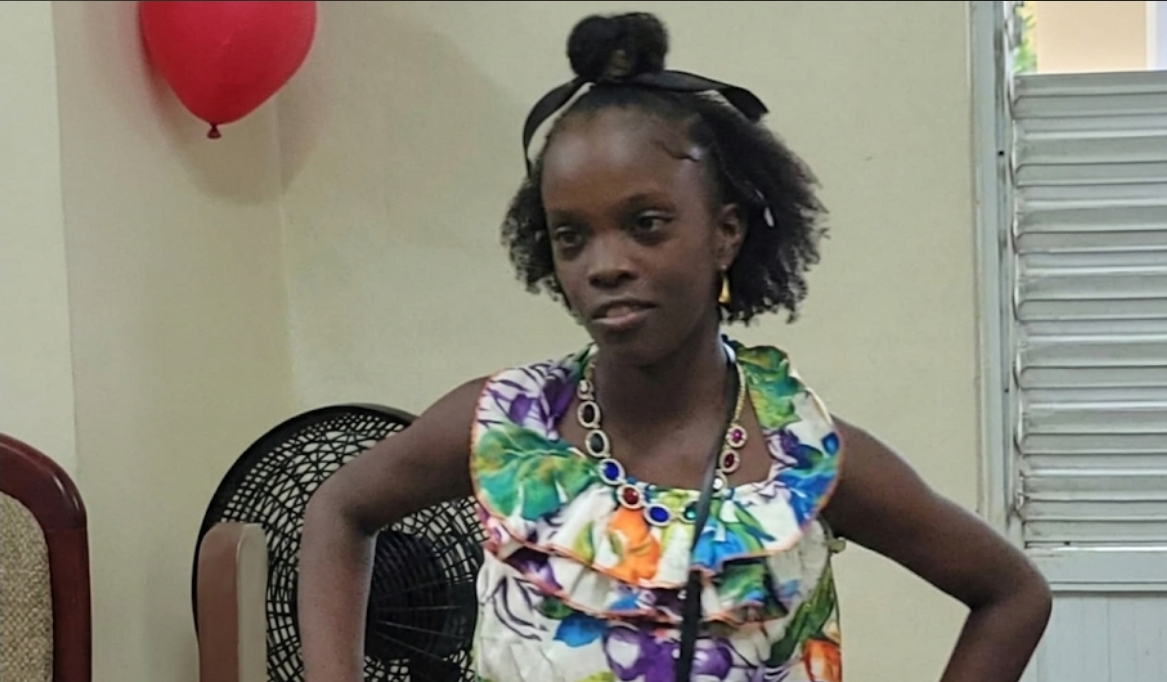
The brutal murder of 12-year-old Mercedez Layne has sent shockwaves through Trinidad and Tobago, igniting an urgent national dialogue on child safety and protection. Layne, who was reported missing, was tragically found dead, prompting outcries from both community members and non-governmental organisations.
Mourners and activists have flooded the streets, demanding not only justice for Mercedez but also a stronger legislative framework to safeguard children. Local NGOs, including Conflict Women, are championing the re-establishment of the Ministry of Gender and Child Affairs, arguing that such a body is vital in ensuring children are protected under the law.
Community members have voiced frustration over what they perceive as inadequate measures currently in place to protect children. The groundswell of demands has been echoed in the halls of government, with several MPs joining the chorus for change. Activists are particularly focused on structural changes that could help prevent such tragedies from occurring in the future.
Mercedez’s death has become a grim symbol of the perils children face, sparking a wider reflection on societal responsibility. “We can’t let another child fall victim,” said a protester at a recent rally in support of the Layne family. The protestors emphasized a collective responsibility to ensure child safety.
The harrowing case has also achieved significant media coverage, underlining the urgency of revising current laws and policies governing child protection. Stakeholders are pushing for immediate governmental intervention to address the loopholes that leave children vulnerable to violence and neglect.
As the nation mourns, the call for action grows more robust, spotlighting the need for a concerted, community-wide effort to safeguard the future generations of Trinidad and Tobago. Officials have promised to take these pleas seriously, but the community remains vigilant, determined that Mercedez Layne’s death will not be in vain.